The journey of Kingdoms and Castles from a beloved indie city-building game to a brand with official merchandise is a fascinating example of how digital experiences can transcend screens and become tangible parts of fans’ lives. Originally launched as a pixel-art strategy game, Kingdoms and Castles captured the hearts of players with its charming visuals, engaging gameplay, and nostalgic yet fresh approach to kingdom management. Over time, this affection for the game naturally evolved into demand for physical products that could embody the spirit and creativity found within its virtual world.
At its core, Kingdoms and Castles thrives on simplicity combined with depth. Players build thriving medieval kingdoms while defending them against invading forces such as vikings or dragons. The art style-characterized by colorful pixels arranged in intricate patterns-has become iconic among fans who appreciate both retro aesthetics and modern design sensibilities. This unique visual identity laid an ideal foundation for creating merchandise that resonates deeply with the community.
Initially, fan enthusiasm was expressed through forums, fan art, custom mods, and social media discussions. However, as the player base grew steadily over years following early access releases and full launch versions on platforms like Steam, interest in officially licensed products intensified. Recognizing this opportunity to strengthen community bonds while expanding brand presence beyond digital confines, the developers decided to launch an official line of Kingdoms And Castles Merch merchandise.
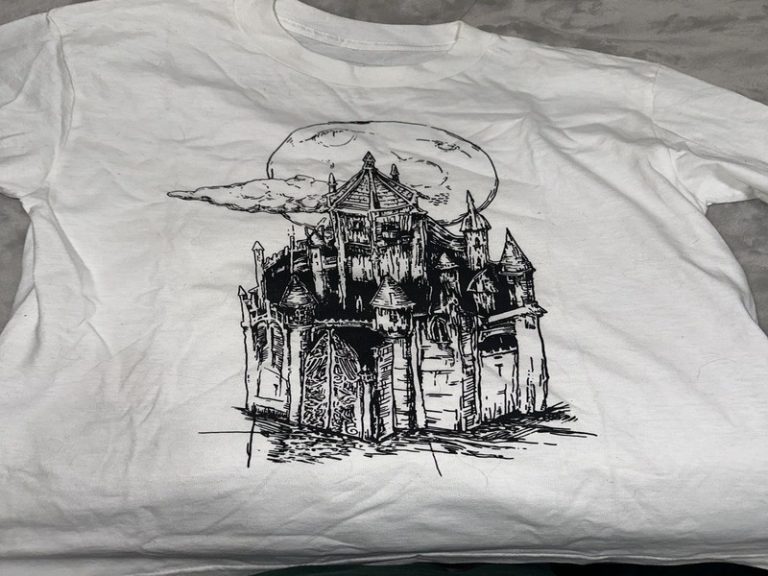
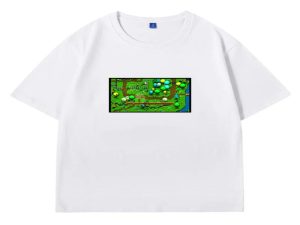
The evolution from pixels on screen to physical products involved thoughtful curation aimed at capturing what makes the game special without compromising quality or authenticity. Early offerings included apparel such as t-shirts and hoodies emblazoned with iconic characters or symbolic elements from various kingdoms featured in-game. These wearable items allowed players not only to display their fandom but also to feel connected during everyday activities outside gaming sessions.
Following clothing lines were collectible items including enamel pins shaped like castle turrets or miniature dragon figures crafted with attention to detail reflective of pixel art origins. Posters featuring vibrant kingdom landscapes provided decorative options for fans eager to bring a piece of their favorite virtual realm into real-world spaces like bedrooms or offices.
Merchandising also extended into practical accessories such as mugs adorned with witty references familiar only to dedicated players-small touches that foster insider camaraderie within the community while offering functional value beyond mere decoration.
This transition from purely digital assets toward tangible goods highlights broader trends in gaming culture where emotional investment often motivates consumers toward ownership beyond software licenses alone. For Kingdoms and Castles specifically, official merch acts not just as memorabilia but also as conversation starters among enthusiasts sharing strategies or reminiscing about memorable gameplay moments.
In conclusion, “From Pixels to Products” encapsulates more than just merchandising; it represents how interactive entertainment can grow organically into lifestyle expressions rooted in passion for creative worlds built one pixel at a time. As Kingdoms and Castles continues evolving through updates or expansions alongside growing fan engagement via official channels-including social media announcements around new product drops-the symbiotic relationship between game development and community support remains stronger than ever before. Through carefully designed merchandise reflecting both aesthetic charm and player identity, what began as simple blocks forming castles now shapes enduring connections bridging virtual adventures with everyday life realities-a testament to how games today extend far beyond screens into cultural phenomena embraced worldwide.