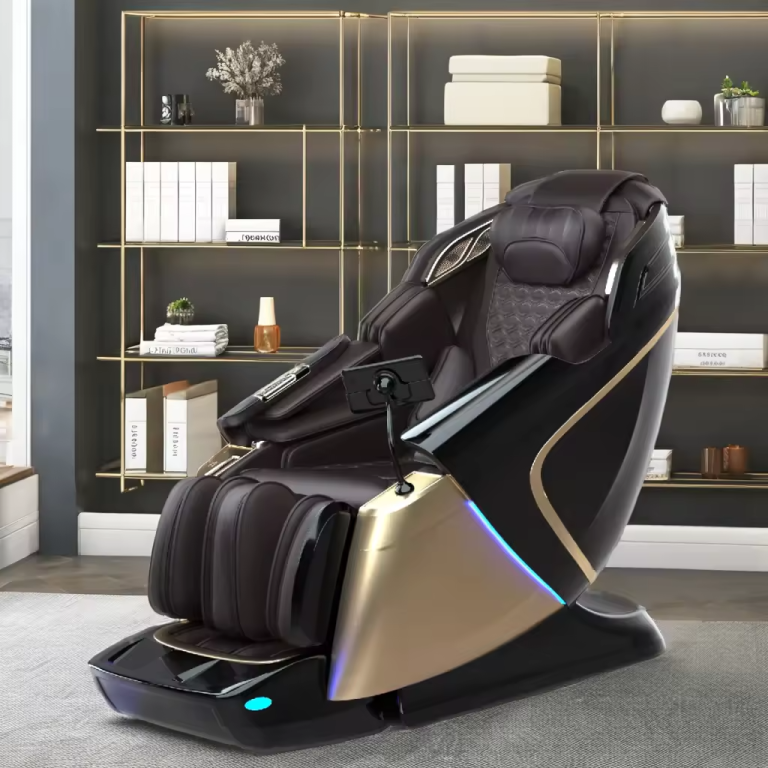
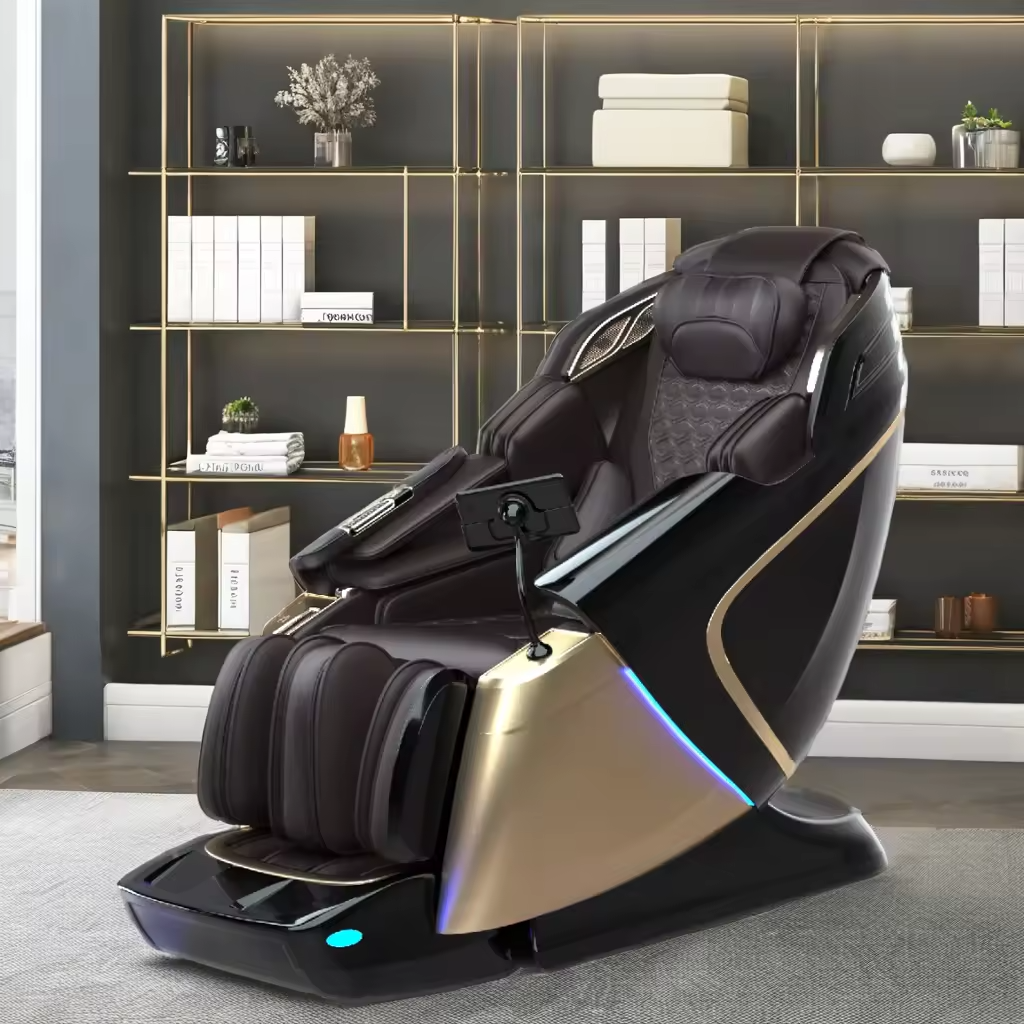
Shoulder pain resulting from lifting, whether due to heavy weights during exercise or repetitive manual labor, is a common complaint that affects many individuals. This discomfort can stem from muscle strain, tension, inflammation, or even minor injuries in the shoulder muscles and surrounding tissues. While traditional treatments such as rest, physical therapy, and medication are often recommended, massage chairs have emerged as a popular alternative for managing shoulder pain. These devices offer convenience and consistent relief through targeted massage techniques designed to mimic human touch.
Massage chairs work by utilizing rollers, airbags, heat therapy, and vibration to stimulate the muscles around the shoulders and upper back. The mechanical movements help increase blood circulation in these areas which promotes faster healing of damaged tissues. Improved circulation also aids in flushing out metabolic waste products that accumulate after strenuous activity or injury. By loosening tight muscles and reducing stiffness caused by lifting heavy objects repeatedly, massage chairs can provide significant relief from discomfort.
One of the key benefits of using a massage chair reviews for shoulder pain is its ability to deliver deep tissue massages without requiring another person’s assistance. Many models come equipped with adjustable settings allowing users to customize the intensity and focus area according to their specific needs. For example, some chairs feature specialized nodes that concentrate on trigger points commonly associated with shoulder tension. Others incorporate heat elements which further relax muscle fibers and reduce inflammation.
Moreover, regular use of massage chairs may contribute not only to symptom relief but also to prevention of future injuries related to lifting activities. Consistent muscle relaxation improves flexibility and range of motion in the shoulders which helps maintain proper posture during lifting tasks. Proper posture reduces undue stress on shoulder joints thereby minimizing risk factors for chronic pain conditions like tendonitis or bursitis.
Despite these advantages, it is important to recognize that massage chairs are not a cure-all solution for severe or persistent shoulder problems. Individuals experiencing sharp pain or symptoms such as numbness should seek medical evaluation before relying solely on self-treatment methods including massage chair therapy. Additionally, combining chair massages with other interventions like stretching exercises or professional physical therapy sessions typically yields better outcomes than any single approach alone.
In conclusion, massage chairs can be an effective tool for alleviating mild-to-moderate shoulder pain caused by lifting activities by promoting muscle relaxation and enhancing blood flow around affected areas. Their convenience makes them accessible options for ongoing maintenance of musculoskeletal health especially when used alongside other therapeutic strategies aimed at rehabilitating injured shoulders safely and efficiently.